


Strip away the neon graphics and the celebrity endorsements, and iGaming is really just a math problem dressed up in great UX. Every spin, every hand of blackjack, every 90th-minute accumulator bet comes down to the same question: what percentage does the operator keep, and how long can you keep playing before that edge grinds you down? Once you understand that, the whole industry starts to look less like a casino and more like an entertainment product with a price tag attached.
That shift in perspective is why some people lose £50 a year and still have a great time, while others burn through their savings chasing a jackpot. The difference almost never comes down to luck. It comes down to understanding how the games actually work, which ones give you a fighting chance, and which ones are basically a lottery ticket with a spinning animation.
RTP, House Edge, and the Only Math You Really Need
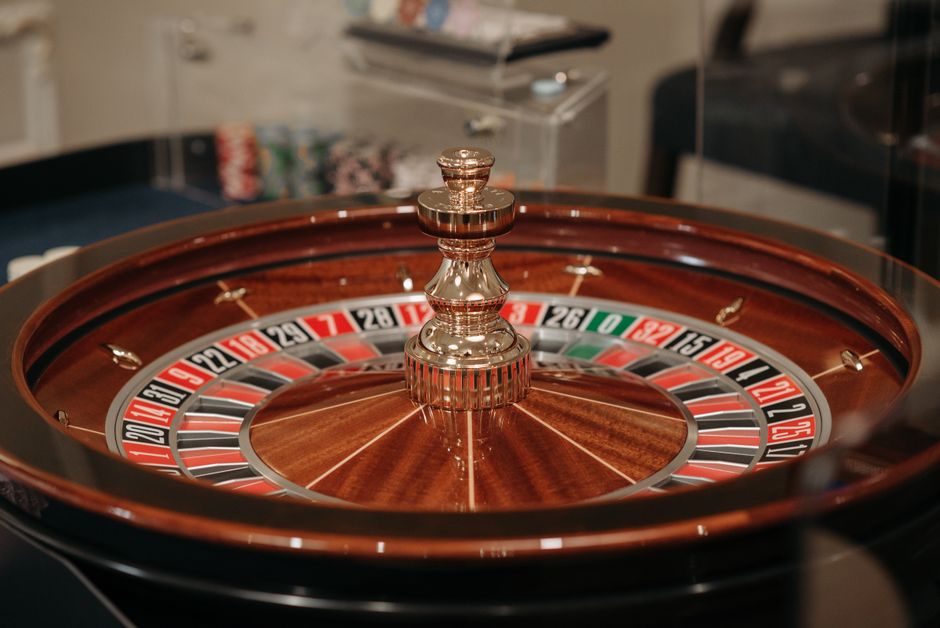
Every regulated casino game publishes an RTP figure, or Return to Player. It's the theoretical percentage of all money wagered that gets paid back over millions of rounds. Slots typically sit between 94% and 97%. European roulette is 97.3%. Blackjack played with basic strategy can push above 99.5%. Those small-looking differences matter enormously over time. For a closer look, king88 has helpful details.
Here's the counterintuitive part: RTP is not a promise about your session. A slot with 96% RTP can easily eat 100% of your £100 in twenty minutes because variance is brutal. RTP only reveals itself over a sample size no individual player will ever reach. What RTP does tell you is the long-run cost of your entertainment.
- High RTP doesn't mean low variance. jackpot slots often have RTP around 94% because a slice of every bet feeds the prize pool.
- Higher bets don't change RTP. They just amplify variance in both directions.
- Volatility matters more than RTP for short sessions. Low-volatility slots pay small and often; high-volatility slots can go 300 spins without a win.
- Always check the paytable, not the marketing page. The real RTP is usually buried in the game's help menu.
If you play for two hours a week, the difference between 95% and 97% RTP over a year is real money. It's the single easiest edge you can give yourself, and most players never bother.
Slots: Where the Design Does the Work
Modern slots are psychological engineering. Autoplay buttons, near-miss animations, and cascading wins are all tuned to keep you spinning. That doesn't make them bad, but it does mean you should set limits before you load the game, not after.
A few practical rules I've picked up over the years:
- Pick a slot with a minimum bet that lets you survive at least 200 spins on your session bankroll.
- Check whether the game uses a fixed or variable RTP version. Many providers ship the same title to different operators at different RTPs.
- Treat bonus buys like what they are: a shortcut to high variance, not a shortcut to profit. A £20 buy on a 96% RTP slot returns £19.20 on average.
- Walk away when you hit the top of your session limit, even if you're up. The next spin has exactly the same edge against you.
Progressive jackpots deserve their own paragraph. The headline number is seductive, but the underlying game usually has a worse RTP than a standard slot. You're paying for the dream, and that's fine as long as you know you're paying for it.
Poker Is the Only Game Where You Play the Player
Everything else in the casino is you versus a mathematically defined house edge. Poker is different: it's you versus other humans, with the house taking a rake for providing the table. That single fact makes poker the only iGaming vertical where long-term profit is technically possible for a skilled player.
Cash games reward patience and position. Tournaments reward aggression and stack awareness. Both punish tilt harder than any slot machine ever could, because in poker the losses compound through bad decisions rather than bad luck.
If you're new to online poker, the fastest way to lose is to play too many hands in early position. The fastest way to improve is to track your results properly. Free tools like hand history analysers still exist, and reviewing fifty hands will teach you more than a hundred hours of clicking buttons on autopilot. Fixed-limit games and micro-stakes sit-and-gos remain the cheapest tuition in the business.
Bankroll Management Is Not Optional
The old guideline still holds: never buy into a cash game for more than 5% of your dedicated poker bankroll, or a tournament for more than 2%. If that feels too conservative, it means your bankroll is too small for the stakes you want to play. Drop down. There's no shame in it and plenty of shame in going broke.
Sports Betting: Margins, Not Miracles
Bookmakers don't beat you with inside knowledge of the games. They beat you with the overround, the built-in margin on every market. A typical Premier League match might have implied probabilities that add up to 105%, meaning the bookmaker pockets roughly 5% of all money staked if the book is balanced.
Sharp bettors look for markets where that margin is thin, usually on major football leagues, tennis, and American sports, and avoid novelty markets like first goalscorer or reality TV winners, where margins can balloon past 20%. Accumulators multiply that edge against you with every leg. A five-fold at 5% margin per leg gives the book roughly 22% of your stake in expected value terms.
- Shop around. Price differences between books on the same market are frequently 3% to 5%.
- Take the value, not the team you support. Emotional betting is the most expensive habit in the industry.
- Track closing lines. If your bets consistently beat the closing price, you're doing something right.
- Promotions are marketing, not free money. Read the wagering requirements before you celebrate.
The Regulation Question Nobody Asks
Licensing matters more than most players realise. A UK Gambling Commission licence or a Malta Gaming Authority licence means the operator has to submit to audits, honour published RTPs, and offer dispute resolution. Unlicensed offshore sites often advertise better bonuses precisely because they don't carry those costs. When a payout is delayed or a bonus term is quietly changed, you have no real recourse.
Also look for self-exclusion tools, deposit limits, and session reminders. Their presence is usually a signal that the operator is regulated properly. Their absence is a signal, too.
Final Thoughts
iGaming is a brilliant form of entertainment when you treat it like one. The math is fair enough to be fun and stacked enough that you should never expect it to be a second income. Learn RTP, respect variance, use limits, and play poker or bet sports only when you've done the work to understand the edge.
The players who last the longest aren't the luckiest ones. They're the ones who read the paytable, set the budget, and closed the laptop when the number on the screen stopped being entertainment and started being a problem.


Leave a reply