


What the wind actually does to a coastal garden
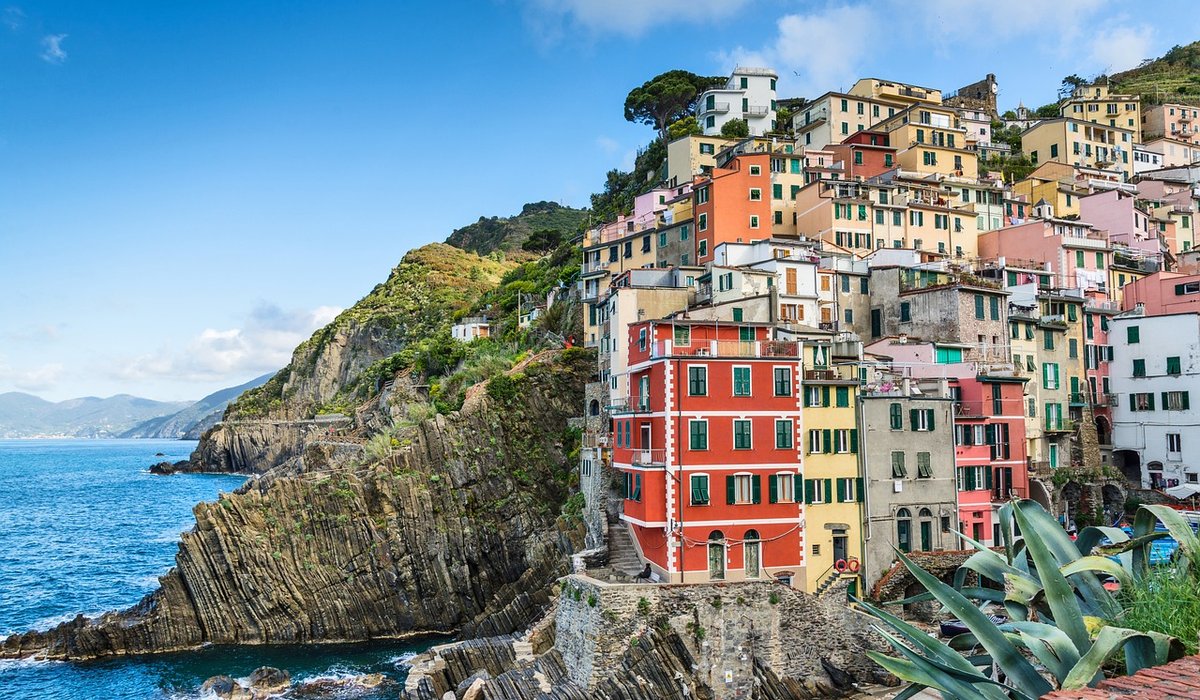
A garden within a mile or two of the shore faces three pressures at once. The first is salt: airborne spray coats leaves and buds, drawing moisture out through the leaf surface and scorching growth on the windward side. The second is mechanical — constant buffeting loosens roots, snaps brittle stems and shreds anything with large, soft foliage. The third is the soil itself, often thin, sandy, free-draining and rich in shell fragments, which means it holds little water and leaches nutrients quickly. Add dazzling reflected light off the sea and you have conditions that punish many of the plants sold in garden centres. The good news is that a coastal plot need not be a compromise. Choose the right plants, give them shelter, and an exposed garden can be every bit as lush as one inland.
Shrubs that shrug off salt and exposure
Structure comes first. You want evergreens with small, leathery or hairy leaves that resist spray and keep their shape through winter gales.
- Griselinia littoralis — glossy apple-green leaves, fast-growing and remarkably wind-hardy; it makes an excellent dense screen in mild coastal areas.
- Escallonia — pink or white summer flowers on a shrub that genuinely enjoys a salty battering.
- Olearia (daisy bush) — grey-green foliage and masses of small daisies in late summer.
- Sea buckthorn — silvery, thorny and almost indestructible, with orange berries in autumn; ideal for the rawest boundary.
- Hebe, rosemary and lavender — aromatic, drought-tolerant and happiest in poor, gritty ground.
- Pittosporum and Euonymus japonicus — neat, compact evergreens for hedging and containers.
Plant these in generous drifts rather than as isolated specimens. A group shelters itself, and a solid block of foliage loses far less moisture than a row of singletons.
Grasses and perennials for movement and colour
Grasses are the great gift of the seaside garden: they bend rather than break, and their rustle softens the sound of the wind. Marram grass, Festuca glauca, Deschampsia cespitosa and Anemanthele lessoniana all thrive in open positions and look superb backlit by low sun. For flowers, think small, tough and silver-grey: sea thrift, lavender, Eryngium, Echinops, Sedum and red valerian will seed about happily in gravel and wall crevices. Crocosmia and agapanthus bring late-summer fire and blue, provided their roots have a warm, sheltered spot to settle into. Avoid anything with big, floppy leaves — hostas, delphiniums and most large-flowered hydrangeas will simply be shredded.
Build shelter before you plant
Windbreaks work best when they filter rather than block. A solid fence creates fierce turbulence on its lee side, which can be worse than the open wind. Choose something around fifty to sixty per cent permeable — woven willow, chestnut paling or a mesh screen — and the airflow is slowed without being churned.
Place the barrier so that it protects roughly ten to fifteen times its own height downwind, and leave a slight gap at ground level so gales can pass through. Low hedges of escallonia, griselinia, Fuchsia magellanica, Rosa rugosa or sea buckthorn then act as a second line of defence, breaking the wind into gentle steps rather than one hammer blow. On a very exposed plot, wrap young plants in a temporary screen of netting for their first season or two, and remove it once they have toughened up.
Improve the soil, then plant small and plant thick
Sandy coastal soil drains in minutes and holds almost no nutrients, so bulk it up before planting. Fork in plenty of well-rotted compost or leaf mould, and mulch every spring with a generous layer of organic matter — seaweed gathered from the beach is excellent, rinsed of excess salt and spread thinly. It also deters slugs.
Resist the temptation to buy large, florid specimens. Small plants establish faster, need less water and adapt to the site as they grow. Set them slightly deeper than they sat in the pot, firm them in well, and water thoroughly even if rain is forecast. Group them closely enough that their leaves touch within a season; a closed canopy shades the soil, suppresses weeds and shields the roots from drying wind.
Aftercare that keeps a seaside garden standing
Water new plantings deeply once a week through their first two summers — wind dries foliage and soil far faster than heat alone. Stake only what needs it, and loosely, so stems can flex and strengthen. Trim hedges after flowering rather than in autumn, so the cuts heal before winter storms arrive. Leave spent seedheads and grasses standing over winter for structure and bird food, then cut back in early spring as new growth pushes through. Feed sparingly; too much nitrogen produces soft, sappy growth that salt spray will strip in a single afternoon. Work with the wind rather than against it, and the result is a garden that looks entirely at home beside the sea.


Leave a reply