


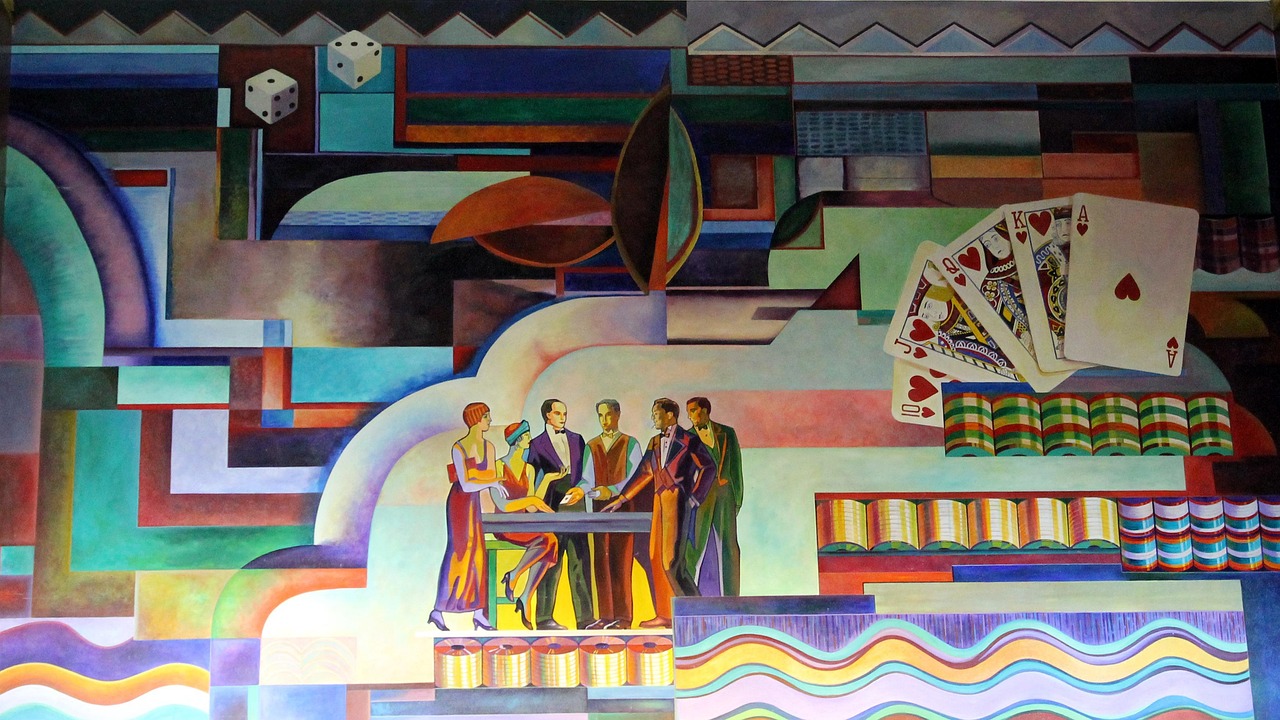
There's a moment every gambler knows. It's not the spin of the roulette wheel, not the river card, not the roar of a slot machine paying out. It's the pause before you press the button — that electric second where probability, hope, and a little bit of math collide. If you've spent any time in iGaming, you know the feeling. And if you're new, you're about to find out why millions of people keep coming back despite the odds stacked against them.
This isn't a lecture on responsible gambling (though yes, do that). It's an honest look at the mechanics, the psychology, and the strategies that separate casual players from the ones who actually enjoy the ride. Speaking of the ride — let's break down the four pillars of the industry: casino games, slots, sports betting, and poker.
Casino Games: The Math You Can't Escape
Every casino game has a house edge, and if you don't know yours, you're playing blind. Take blackjack. With basic strategy — a simple chart of when to hit, stand, double, or split — the house edge drops to roughly 0.5%. That's one of the best bets in the building. Now compare that to American roulette, where the double zero pushes the edge to 5.26%. That's a tenfold difference in how much the casino takes from you over time. If this is new to you, สล็อตเว็บตรง is a sensible next read.
So why does anyone play roulette? Because variance is a cruel mistress, and the human brain is terrible at understanding long-term averages. A player can hit three straight numbers and feel like a genius. Another can play perfect blackjack for an hour and lose every hand. The math doesn't lie, but it also doesn't promise anything in a single session.
Baccarat is the dark horse here. It looks intimidating with its fancy table layout and third-card rules, but it's deceptively simple. The banker bet carries a house edge around 1.06%, and the player bet sits near 1.24%. Ties? Forget about it — a 14.4% edge is a trap. High rollers love baccarat because it's fast, elegant, and offers decent odds if you stick to the main bets.
Slots: Where Entertainment Meets Volatility
Slots are the wild west of iGaming. No skill, no strategy (despite what the "hot machine" crowd claims), just RNG and luck. But that doesn't mean you should play blindly. There are two numbers every slot player should care about: RTP and volatility.
- RTP (Return to Player): Usually between 92% and 97%. A 96% RTP means the machine pays back 96 cents for every dollar wagered over millions of spins. Short sessions are just noise.
- Volatility: High volatility means rare but massive wins. Low volatility means frequent but small payouts. A 96% RTP high-volatility slot and a 96% RTP low-volatility slot have the same long-term return but completely different play experiences.
Modern video slots also come with mechanics that change everything. Megaways titles can generate 117,649 ways to win. Cluster pays games ditch paylines entirely. And bonus buy features let you skip straight to the free spins for a fixed price — usually 50x to 100x your bet. That's convenient, sure, but it also strips away the anticipation. Part of the fun is grinding toward a bonus the old-fashioned way.
One tip: check the slot's paytable before spinning. A machine with a max win of 5,000x your stake plays very differently from one capped at 500x. Neither is wrong — just know which one you're sitting down for.
Sports Betting: Information Is the Edge
Sports betting is where iGaming gets intellectual. You're not just guessing; you're pricing risk against the market. The best bettors treat it like investing, not gambling. They look for value — situations where the implied probability of an outcome is lower than the true probability.
They focus on niche leagues, obscure player props, or live betting where odds shift in real time. A soccer match where a red card flips momentum? The odds swing hard. If you're watching and the market hasn't caught up yet, there's money on the table.
- Pick a sport and league you genuinely follow. Don't bet on everything.
- Track your bets. If you don't record them, you're just guessing at your win rate.
- Understand the vig. Standard -110 pricing means you need to win 52.4% of bets just to break even.
- Shop for lines. The difference between -110 and -105 on a hundred bets is real money.
Poker: The Only Game Where You Play the Players
Poker is the great exception in iGaming. You're not betting against the house. You're betting against other people, minus a rake. That rake — usually 5% to 10% of the pot, capped — is the casino's cut, but it's a fraction of what you'd lose at a slot machine.
That's why poker has the highest ceiling for skilled players. A strong player can maintain a positive win rate over tens of thousands of hands. But that skill gap is brutal. Beginners lose to intermediate players, who lose to pros, who lose to elite pros. The ladder never ends.
If you're starting out, focus on one format. No-limit Texas Hold'em cash games are the classic. Sit-and-go tournaments are a controlled environment with a fixed buy-in. And if you want to burn out fast, play turbo tournaments with 5-minute blind levels — they're a coin flip factory.
Bankroll management matters everywhere, but nowhere more than poker. A common rule is 20 to 30 buy-ins for cash games and 50 to 100 buy-ins for tournaments. That cushion absorbs variance so a bad streak doesn't wipe you out.
The Real Skill: Knowing When to Stop
Here's the brutal truth. Every game in iGaming is designed to keep you playing. Casinos call it "time on device." The lights, the sounds, the near misses — they're engineered to extend your session. Slots are the worst offenders, with rapid spin cycles and bonus animations that trigger dopamine hits regardless of whether you win or lose.
That's not a conspiracy theory. It's psychology. And the players who last — the ones who actually enjoy this hobby for years without wrecking their finances — are the ones who set limits before they log in.
Set a loss limit. Set a win limit. Set a time limit. Walk away when you hit any of them. It sounds boring, but boring is what keeps you in the game long-term.
Because here's the thing: the house always wins over infinite time. But over a single session, in a single hand, on a single spin — anything can happen. That's the thrill. That's why we play. Just don't mistake that thrill for a retirement plan.


Leave a reply