


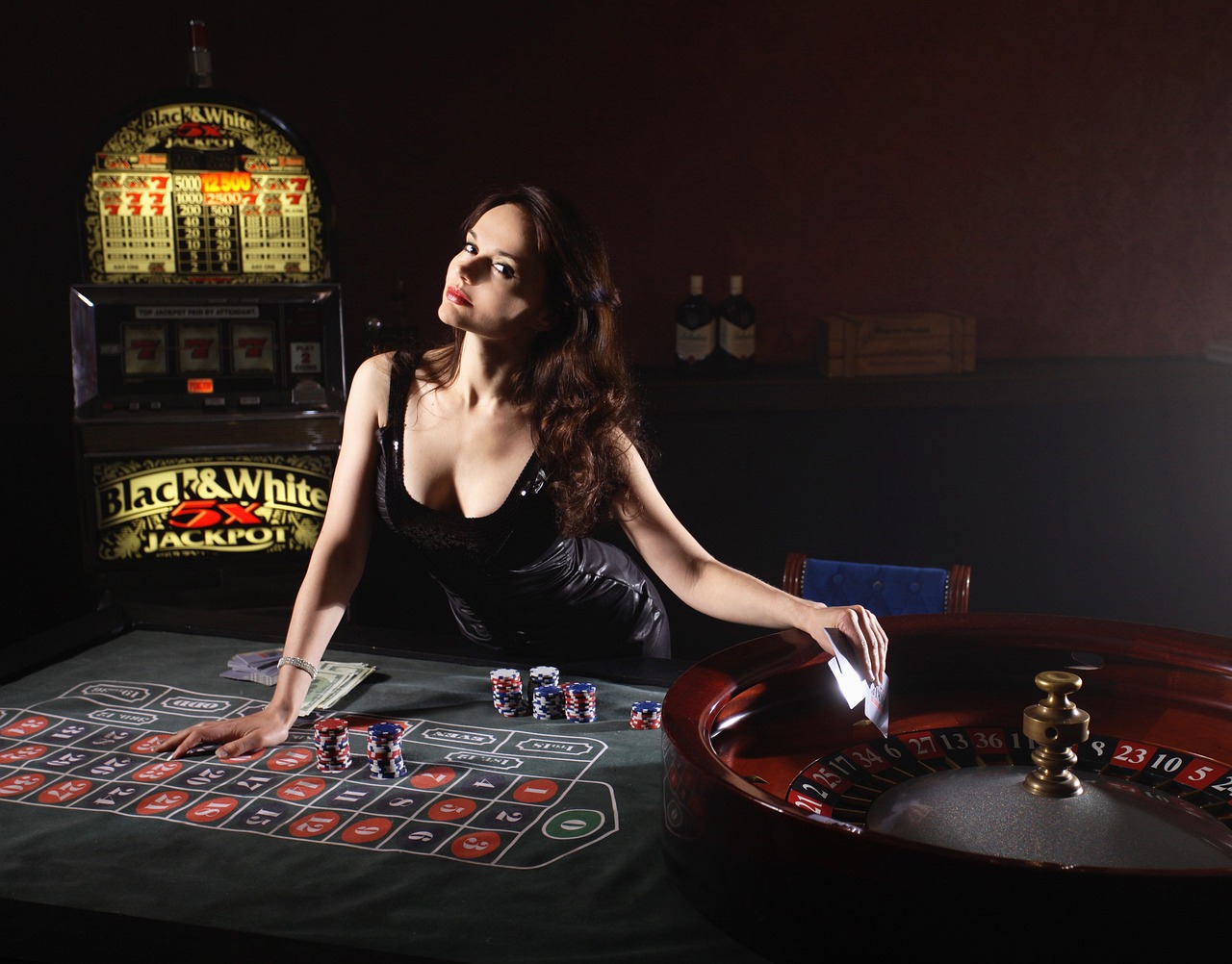
Every experienced player has felt it: the gut-punch of a bad beat, followed by the irresistible urge to immediately win it back. That impulse is the single most reliable way to turn a modest loss into a catastrophic one. But here's the frustrating part most guides ignore — the line between a genuinely bad decision and a perfectly reasonable one is often blurrier than the casino floor wants you to believe. Chasing losses is destructive. Chasing value is the entire game. Learning to tell them apart is worth more than any betting system ever sold on the internet.
Expected Value: The Only Math That Actually Matters
Strip away the flashing lights and the free-drink culture and every wager reduces to one formula: expected value, or EV. It's the average outcome of a bet repeated thousands of times. A European roulette wheel has 37 pockets, pays 35-to-1 on a straight-up number, and therefore returns 97.3 percent of stakes over the long run. That missing 2.7 percent is the house edge, and it never takes a night off.
This is why a $10 bet on red and a $200 bet on red are not morally different — they're just the same negative EV at different volumes. What changes everything is the price you're getting. If a sportsbook offers +105 on a coin-flip prop that should be -110, you've found positive EV, and the smart play is to take it and not care about the result of any single toss.
- Blackjack with basic strategy: ~0.5% house edge — one of the cheapest seats in the house
- Slots: 2% to 15% depending on the machine, with jackpot progressives on the high end
- Roulette (single-zero): 2.7%; the double-zero American wheel doubles that
- Poker cash games: no house edge at all, just a rake capped per pot
Where Skill Genuinely Shifts the Odds
Not all iGaming verticals are created equal. Poker is the outlier because you're playing against other people, not the house. That means the rake is fixed and your win rate depends on the quality of your opponents. A competent player at a soft $1/$2 table can grind out a positive return while the same person would be a guaranteed loser against a table full of regulars.
Slots, by contrast, run on RNGs that pay out at a programmed return-to-player percentage. If a machine is set to 96 percent RTP, then over millions of spins it returns $96 for every $100 wagered — and no strategy, no timing, no 'hot streak' changes that. A slot machine doesn't know you're due. It doesn't know you exist.
The Variance Trap in High-Volatility Games
Volatility is the dirty secret behind most slot shock stories. A high-volatility machine might pay out enormous sums rarely, and drain your balance steadily in between. Two machines can have identical RTP and feel completely different. The 96 percent machine with heavy variance will bust your bankroll far more often than the 94 percent low-variance one, even though the math says the first is 'better.' Understanding variance is what separates players who last years from players who last a weekend.
Practical Bankroll Rules That Actually Work
Most bankroll advice amounts to 'don't bet more than you can afford.' True, but useless. Here's what actually holds up under pressure: Many readers start with สล็อตเว็บตรง when comparing options.
- Set a session loss limit and physically leave when you hit it. Not a mental note — walk away, cash out, close the laptop.
- Size your bets to your total bankroll, not your session balance. A common guideline is 1 to 2 percent of your total roll per bet in cash games, and no more than 5 percent per spin if you want a realistic number of sessions before variance catches up.
- Separate gambling money from everything else. Rent, savings, and grocery money are not part of your bankroll. Ever.
- Track your results honestly. A simple spreadsheet of deposits, withdrawals, and net position over 6 months will tell you more than any forum guru.
That last point is underrated. Most people have a wildly optimistic memory of their results because winning sessions are more memorable than grinding losses. Hard numbers don't lie.
Bonus Abuse, Rakeback, and Other Edge Cases
Promotions can genuinely flip the math in your favor, but only if you read the terms. A 100 percent deposit bonus with a 40x wagering requirement tied to slot contributions of 20 percent is often worse than no bonus at all. A 50 percent bonus with 25x on blackjack contributions of 100 percent may be a real opportunity. The difference is in the fine print, and it takes about ten minutes to work out whether a bonus has positive expected value.
Rakeback and loyalty programs work the same way. If you're a high-volume player, a 5 percent rakeback deal on a poker site with a soft pool outweighs a 10 percent deal on a site full of sharks. Volume and player pool quality matter more than headline percentages.
Live Casino and the Speed Tax
Live dealer games are seductive — real croupiers, familiar rules, the sense that you're actually playing. But the hourly loss rate is brutal because the hands come fast. A 0.5 percent house edge on paper becomes a meaningful bleed when you're playing 60 hands per hour at $10 each. Compare that to a land-based table where a slow dealer might deal 40 hands. Online live roulette with a single-zero wheel and fast pacing can cost a disciplined player $15 per hour in pure expected loss. That's the price of entertainment, and it's fine — as long as you account for it the same way you'd account for a concert ticket.
The Bottom Line for Anyone Serious About iGaming
The industry spends billions on marketing designed to erode exactly the discipline that protects you. Auto-spin buttons, one-click deposits, and 24/7 availability all exist to make the gap between thought and action as small as possible. The players who survive — and occasionally thrive — are the ones who slow that gap down artificially: session limits, bankroll rules, honest tracking, and a refusal to let a single bad beat dictate the next bet.
Chasing losses is an emotional reaction. Chasing value is a cold calculation. The two feel similar in the moment, which is why so many people confuse them. But only one of them is a strategy, and the other is the reason casinos have marble floors.


Leave a reply